


Introduction
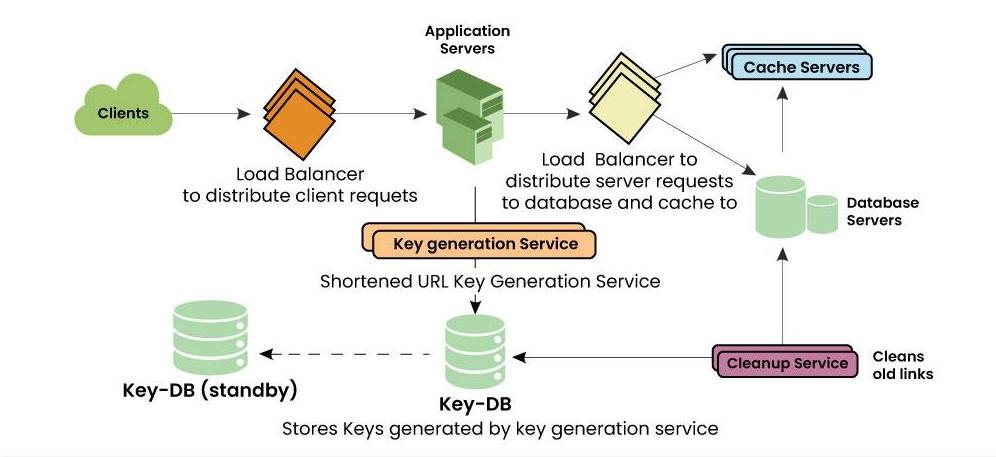
URL shorteners are ubiquitous in today's web ecosystem, used by millions to convert long URLs into shorter, manageable links. Designing such a system involves tackling challenges related to scalability, latency, data storage, and high availability. Let's dive into the key aspects of building a robust URL shortener system.
Discussion Points
-
Core Components:
- Hashing Mechanism: What are the best practices for generating unique short URLs? Should we use a hash function or a database sequence?
- Database Design: How should we structure our database to handle billions of URLs efficiently?
- Redirection Service: What techniques can we use to ensure quick redirections while minimizing server load?
-
Scalability:
- Database Sharding: How can we partition our database to manage massive amounts of data?
- Load Balancing: What strategies can be implemented to distribute traffic evenly across servers?
-
Reliability and Availability:
- Data Replication: How should we ensure data redundancy to avoid single points of failure?
- Caching: What role does caching play in improving system performance and reducing database hits?
-
Security and Analytics:
- Preventing Abuse: How can we prevent misuse, such as spamming or phishing, through our URL shortener?
- Tracking and Analytics: What features should we include to provide users with detailed analytics of their shortened URLs?
Challenges and Solutions
- Handling Collisions: How to manage hash collisions effectively in the URL generation process.
- Rate Limiting: Implementing rate limiting to prevent abuse and ensure fair usage.
Open Questions
- What are some real-world scenarios where URL shorteners face significant challenges?
- How can we improve the user experience for both casual and enterprise users?
Conclusion
Designing a URL shortener system is an excellent exercise for understanding system design principles, including scalability, reliability, and security. Share your thoughts, experiences, and any additional considerations you believe are crucial for building such a system.
Follow me on LinkedIn: www.linkedin.com/comm/mynetwork/discovery-see-all?usecase=PEOPLE_FOLLOWS&followMember=srinivasu-nakka-iiitb